Teacher notes

初级故事集 · 彼得兔的故事(上) · 1,000-WORD LEVEL · HSK 1–3

The Tale of Peter Rabbit in Easy Chinese, Part 1 (彼得兔的故事)

By Min, Chinese teacher on Good Talk · October 27, 2026

Mrs. Rabbit tells her four little rabbits to stay out of Mr. McGregor’s garden. Flopsy, Mopsy and Cotton-tail are good little bunnies. Peter is not: he squeezes under the gate, eats all he can, and then runs straight into Mr. McGregor.

Min, a Chinese teacher on Good Talk, retold Beatrix Potter’s 1902 story in slow, simple Chinese for beginners who know about 1,000 words. In this video Min looks at the pictures with you, reads the story sentence by sentence for you to repeat, and then reads it all the way through. The notes below list the words worth learning and the grammar in each paragraph, with pinyin under every example sentence.

From Min’s YouTube series Classic Stories in Easy Chinese (with Pinyin).

STUDY NOTES · 学习笔记

Words and grammar, paragraph by paragraph

每一段列出要记的词语和语法点。“认识就行”的词,读故事的时候知道意思就可以,不用记。
For each paragraph: words worth learning, and grammar points. Words under “认识就行” only need to be understood, not memorized.

故事分上下两集,段号各从 1 开始。每个例句下面都有拼音。
The story has two episodes; paragraph numbers start from 1 in each. Every example sentence has pinyin below it.

(“一”和“不”的拼音标的是变调以后的声调。Tones for 一 and 不 are marked as actually spoken.)

人名 Names

中文拼音English
彼得BǐdéPeter
弗洛普西FúluòpǔxīFlopsy
莫普西MòpǔxīMopsy
棉尾巴Mián WěibaCotton-tail
兔妈妈tù māmaMother Rabbit (old Mrs. Rabbit)
麦先生Mài xiānshengMr. McGregor
麦太太Mài tàitaiMrs. McGregor
本杰明BěnjiémíngBenjamin Bunny(彼得的表弟 Peter's cousin)

1–2 从前,有四只小兔子……

词语拼音English
从前cóngqiánonce upon a time
兔子tùzirabbit
名字míngziname
住zhùto live
树shùtree
下面xiàmianunder, below

语法

  • 有 + 数字 + 量词 + 名词 there are …(只 for animals, 棵 for trees)
    从前,有四只小兔子。
    Cóngqián, yǒu sì zhī xiǎo tùzi.
  • 很大很大的 very, very big(saying it twice makes it stronger)
    他们和妈妈住在一棵很大很大的树下面。
    Tāmen hé māma zhù zài yì kē hěn dà hěn dà de shù xiàmian.

3–4 一天早上,兔妈妈说……

词语拼音English
草地cǎodìmeadow, grass
小路xiǎolùlane, path
菜园càiyuánvegetable garden
出事chū shìto have an accident
做成zuòchéngto make into
坏事huàishìmischief, something bad

认识就行:肉饼 ròubǐng(meat pie)

语法

  • 可以……也可以…… you can … and you can also …
    你们可以去草地上玩,也可以去小路上玩,可是不要去麦先生的菜园!
    Nǐmen kěyǐ qù cǎodì shang wán, yě kěyǐ qù xiǎolù shang wán, kěshì búyào qù Mài xiānsheng de càiyuán!
  • 不要 / 别 + 动词 don't …(别 is more casual)
    不要去麦先生的菜园!
    Búyào qù Mài xiānsheng de càiyuán!
    别做坏事。
    Bié zuò huàishì.
  • 把 A 做成 B to make A into B
    麦太太把他做成了肉饼。
    Mài tàitai bǎ tā zuòchéng le ròubǐng.

5 兔妈妈拿上篮子和伞……

词语拼音English
篮子lánzibasket
伞sǎnumbrella
树林shùlínwoods
面包miànbāobread
面包店miànbāodiànbakery
买mǎito buy

6–7 弗洛普西、莫普西和棉尾巴是好孩子……

词语拼音English
找zhǎoto look for
听话tīnghuàobedient, well-behaved
一个人yí ge rénalone, by oneself
大门dàméngate
钻zuānto squeeze through

认识就行:黑莓 hēiméi(blackberry)

语法

  • 可是 but
    可是彼得很不听话。
    Kěshì Bǐdé hěn bù tīnghuà.

8–9 他先吃了一些生菜和豆子……

词语拼音English
一些yìxiēsome
豆子dòuzibeans
不舒服bù shūfuto feel unwell

认识就行:生菜 shēngcài(lettuce)、萝卜 luóbo(radish)、欧芹 ōuqín(parsley)

语法

  • 先……然后又…… first …, then …
    他先吃了一些生菜和豆子,然后又吃了一些小萝卜。
    Tā xiān chī le yìxiē shēngcài hé dòuzi, ránhòu yòu chī le yìxiē xiǎo luóbo.
  • 动词 + 完以后 after finishing …
    吃完以后,他有点儿不舒服,就去找欧芹。
    Chī wán yǐhòu, tā yǒudiǎnr bù shūfu, jiù qù zhǎo ōuqín.
  • 有点儿 + 不好的感觉 a bit …(usually something unpleasant)
    他有点儿不舒服,就去找欧芹。
    Tā yǒudiǎnr bù shūfu, jiù qù zhǎo ōuqín.

10–11 他走过黄瓜地……

词语拼音English
猜cāito guess
看见kànjiànto see
种zhòngto plant
马上mǎshàngat once
站起来zhàn qilaito stand up
追zhuīto chase
大叫dà jiàoto shout
站住zhànzhùStop!
小偷xiǎotōuthief

认识就行:黄瓜 huánggua(cucumber)、白菜 báicài(cabbage)、耙子 pázi(rake)

语法

  • 正在 + 动词 to be doing …
    麦先生正在地里种白菜。
    Mài xiānsheng zhèngzài dìli zhòng báicài.
  • 一边……一边…… doing two things at the same time(本集重点 key point)
    拿着耙子追彼得,一边追一边大叫:“站住!小偷!”
    Názhe pázi zhuī Bǐdé, yìbiān zhuī yìbiān dàjiào: “Zhànzhù! Xiǎotōu!”

12–13 彼得非常害怕……

词语拼音English
非常fēichángvery
害怕hàipàscared
忘wàngto forget
鞋xiéshoe
掉diàoto fall, to drop

认识就行:土豆 tǔdòu(potato)

语法

  • 动词 + 来 + 动词 + 去 … back and forth, … all over the place
    他在菜园里跑来跑去,因为他忘了大门在哪儿。
    Tā zài càiyuán li pǎo lái pǎo qù, yīnwèi tā wàng le dàmén zài nǎr.
  • 一只……另一只…… one … the other …
    他的一只鞋掉在白菜地里,另一只鞋掉在土豆地里。
    Tā de yì zhī xié diào zài báicài dìli, lìng yì zhī xié diào zài tǔdòu dìli.

14 没有了鞋,他用四条腿跑……

词语拼音English
腿tuǐleg
更gèngeven more
不小心bù xiǎoxīnby accident, carelessly
网wǎngnet
衣服yīfuclothes, jacket
扣子kòuzibutton
新xīnnew
蓝色lánsèblue
金色jīnsègolden

语法

  • 动词 + 得更 + 形容词 + 了 to do something even more …
    他用四条腿跑,跑得更快了。
    Tā yòng sì tiáo tuǐ pǎo, pǎo de gèng kuài le.
  • 被 + 人 / 东西 + 动词 passive(often something bad happens)
    衣服上的大扣子被网挂住了。
    Yīfu shang de dà kòuzi bèi wǎng guàzhù le.

15 彼得想:“完了!”……

词语拼音English
完了wán leIt's all over!
哭kūto cry
小鸟xiǎoniǎolittle bird
听见tīngjiànto hear
飞fēito fly
加油jiāyóuCome on! You can do it!

语法

  • 动词 + 起来 to start doing …
    他大哭起来。
    Tā dà kū qilai.

16 麦先生拿着一个筛子走过来……

词语拼音English
拿着názheholding
放fàngto put
身上shēnshangon (someone's) body
动dòngto move
留liúto be left behind

认识就行:筛子 shāizi(sieve)

语法

  • 把 + 东西 + 放在 + 地方 to put something somewhere
    麦先生拿着一个筛子走过来,想把筛子放在彼得身上。
    Mài xiānsheng názhe yí ge shāizi zǒu guolai, xiǎng bǎ shāizi fàng zài Bǐdé shēnshang.

17–18 他跑进麦先生放东西的小房子……

词语拼音English
东西dōngxithings
房子fángzihouse; here: tool-shed
跳tiàoto jump
水壶shuǐhúwatering can
一定yídìngsurely, must
可能kěnéngmaybe
花盆huāpénflowerpot

语法

  • 如果…… if …
    如果水壶里没有水,这是一个很好的地方……
    Rúguǒ shuǐhú li méiyǒu shuǐ, zhè shì yí ge hěn hǎo de dìfang…
  • 一个一个地 one by one
    他把花盆一个一个地拿起来,看看下面有没有彼得。
    Tā bǎ huāpén yí gè yí gè de ná qilai, kànkan xiàmian yǒu méiyǒu Bǐdé.
  • 有没有 is there …?(yes-no question: 有 + 没有)
    看看下面有没有彼得。
    Kànkan xiàmian yǒu méiyǒu Bǐdé.

19 突然,彼得打了一个喷嚏……

词语拼音English
突然tūránsuddenly
打喷嚏dǎ pēntìto sneeze

认识就行:阿嚏 ātì(Atishoo!)

Download the study notes (PDF)

THE STORY · 正文

彼得兔的故事(上)

Paragraph numbers match the study notes. Illustrations by Beatrix Potter (1902).

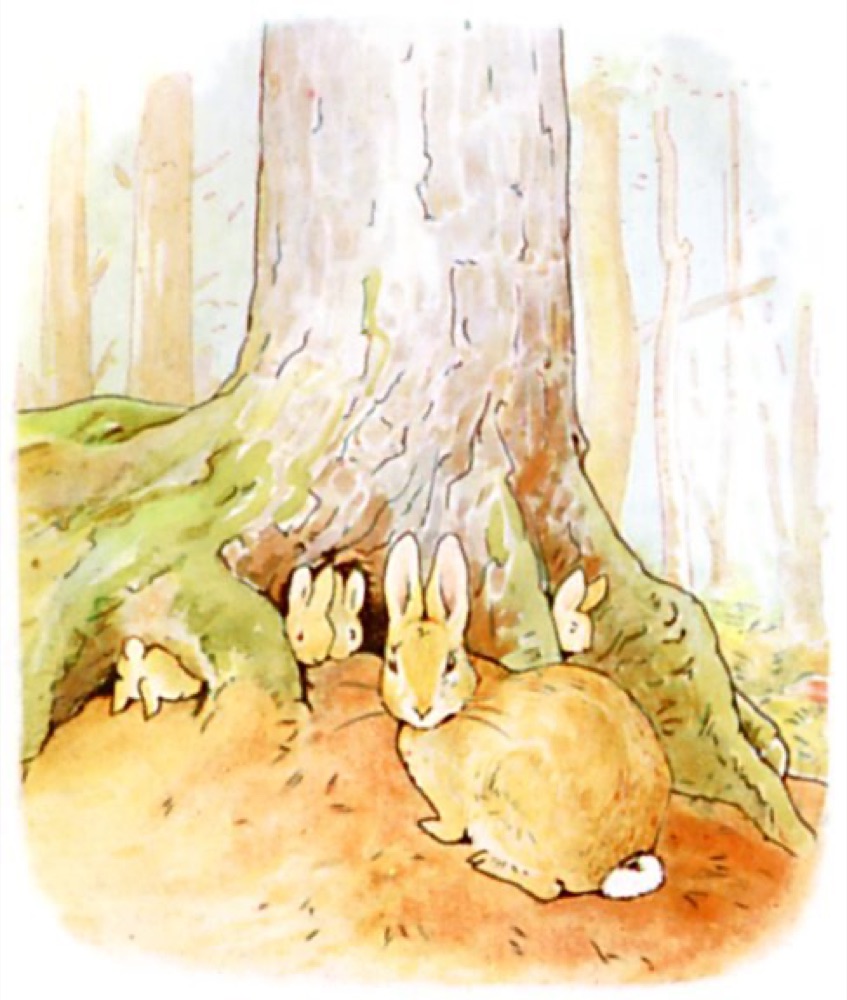
从前,有四只小兔子。他们的名字是弗洛普西、莫普西、棉尾巴和彼得。

Read all of part 1 · 19 paragraphs

他们和妈妈住在一棵很大很大的树下面。
一天早上,兔妈妈说:“孩子们,你们可以去草地上玩,也可以去小路上玩,可是不要去麦先生的菜园!你们的爸爸就在那里出了事——麦太太把他做成了肉饼。”
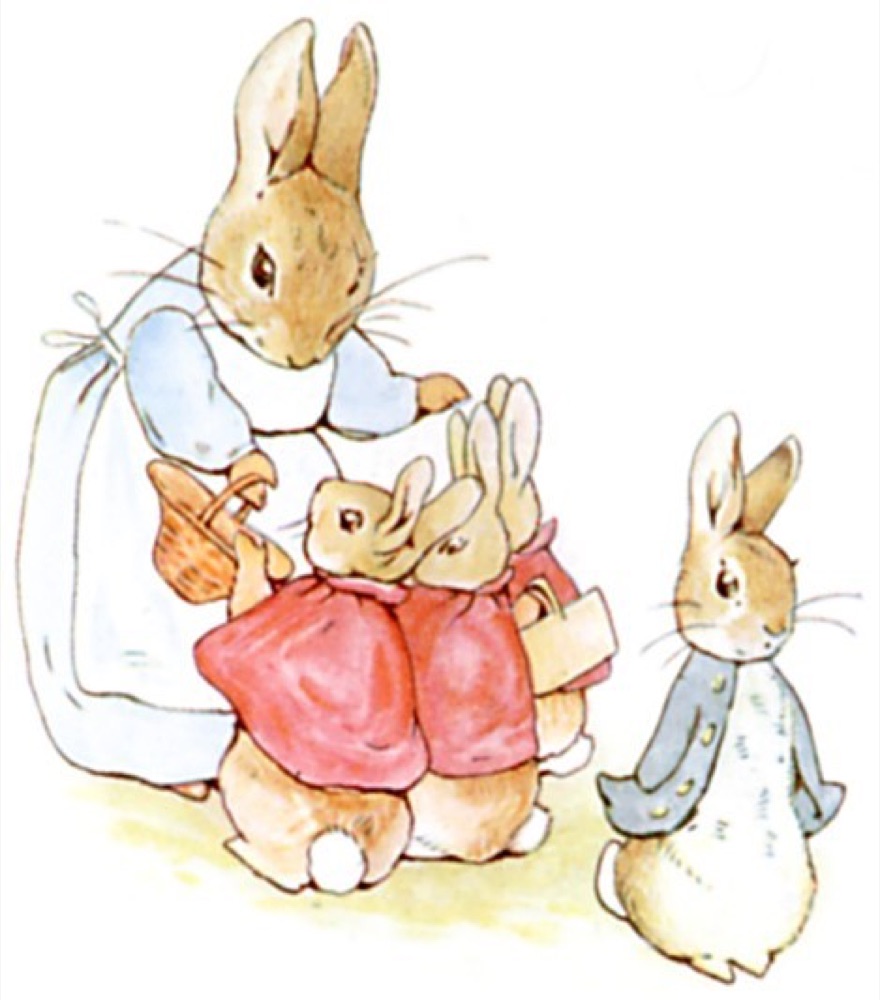
“好了,去玩吧,别做坏事。妈妈要出去了。”

兔妈妈拿上篮子和伞,走过树林,去面包店。她买了一个黑面包和五个小面包。
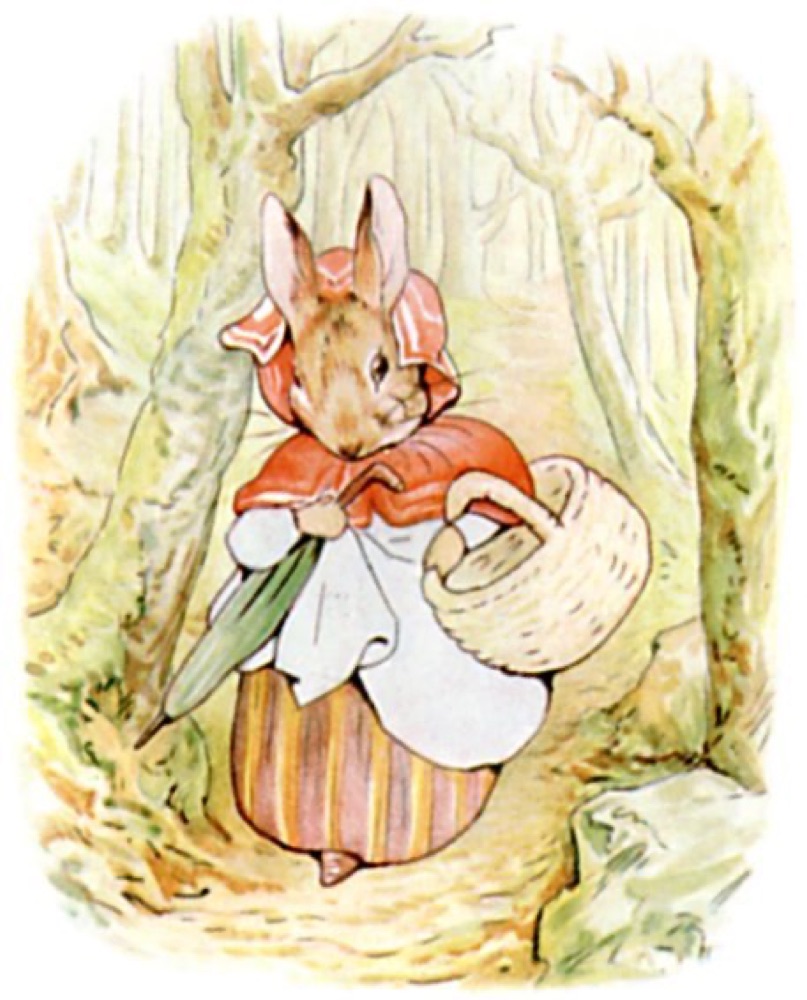
弗洛普西、莫普西和棉尾巴是好孩子,他们去小路上找黑莓。

可是彼得很不听话。他一个人跑到麦先生的菜园,从大门下面钻了进去!
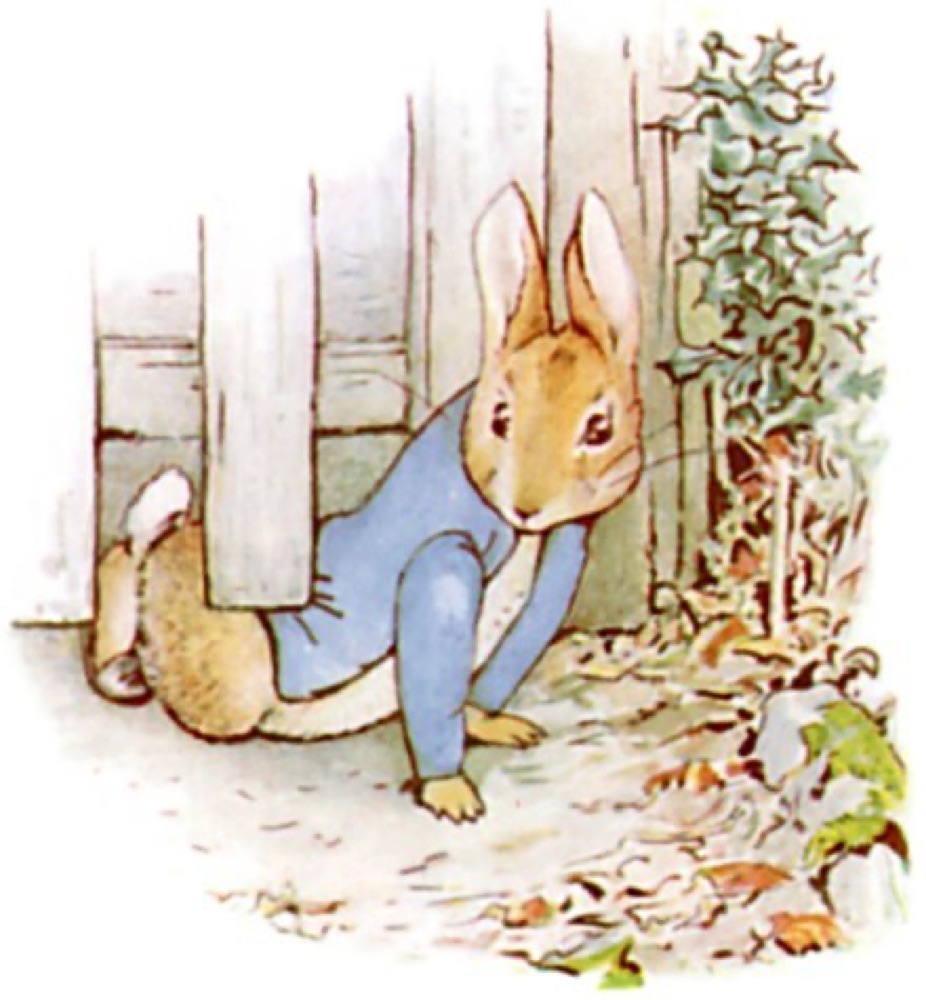
他先吃了一些生菜和豆子,然后又吃了一些小萝卜。

吃完以后,他有点儿不舒服,就去找欧芹。

他走过黄瓜地,你们猜,他看见了谁?是麦先生!
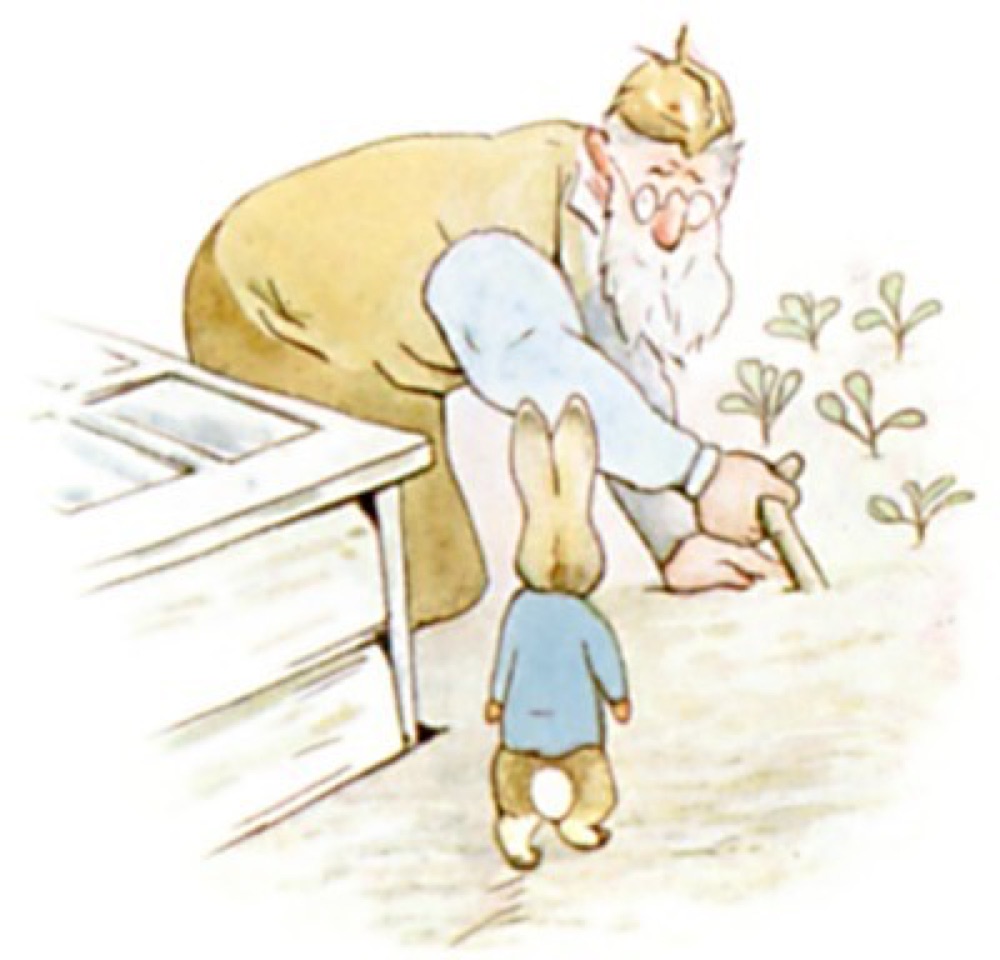
麦先生正在地里种白菜。他看见了彼得,马上站起来,拿着耙子追彼得,一边追一边大叫:“站住!小偷!”
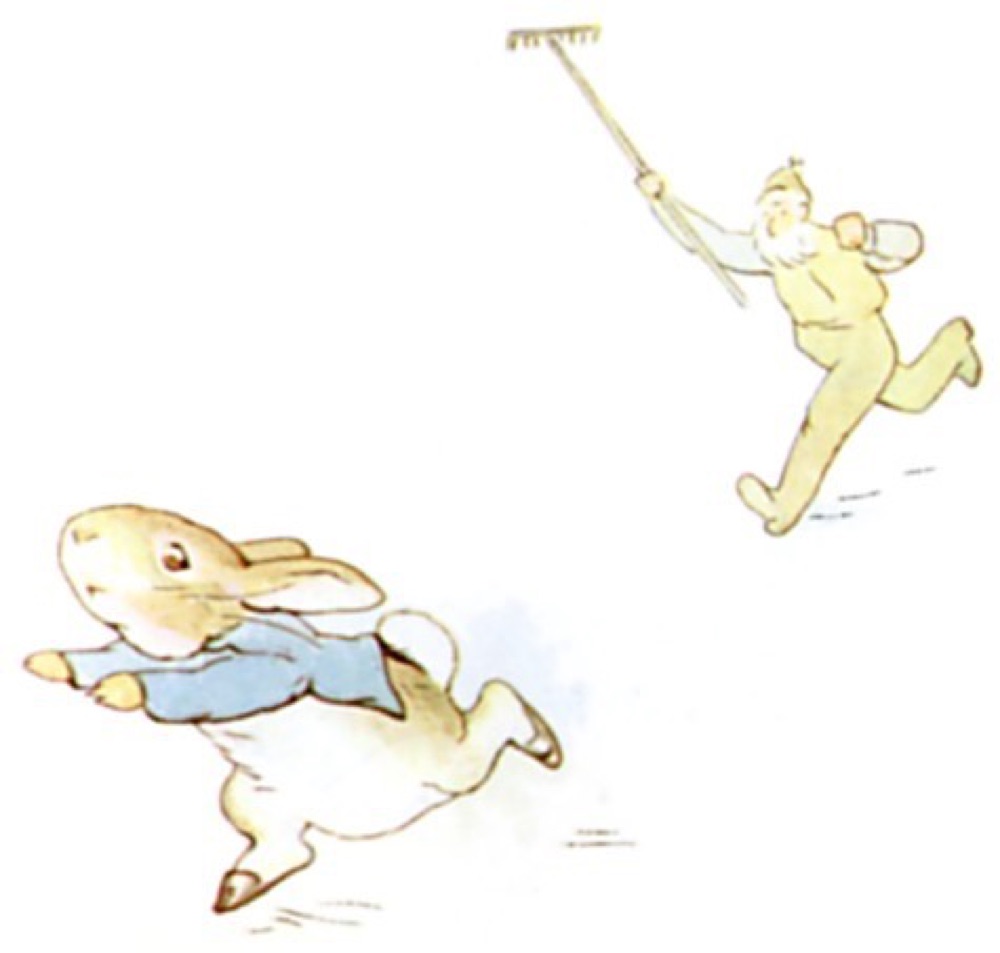
彼得非常害怕。他在菜园里跑来跑去,因为他忘了大门在哪儿。

他的一只鞋掉在白菜地里,另一只鞋掉在土豆地里。
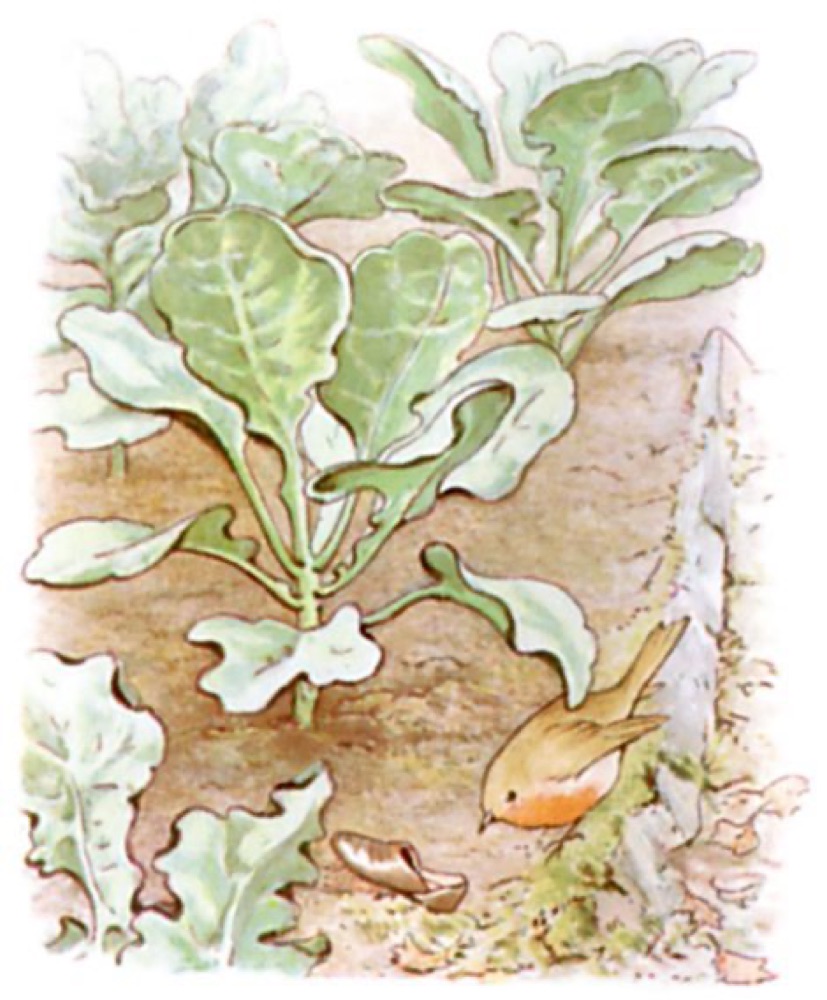
没有了鞋,他用四条腿跑,跑得更快了。可是,他不小心跑进了一张网里,衣服上的大扣子被网挂住了。那是一件蓝色的新衣服,扣子是金色的。
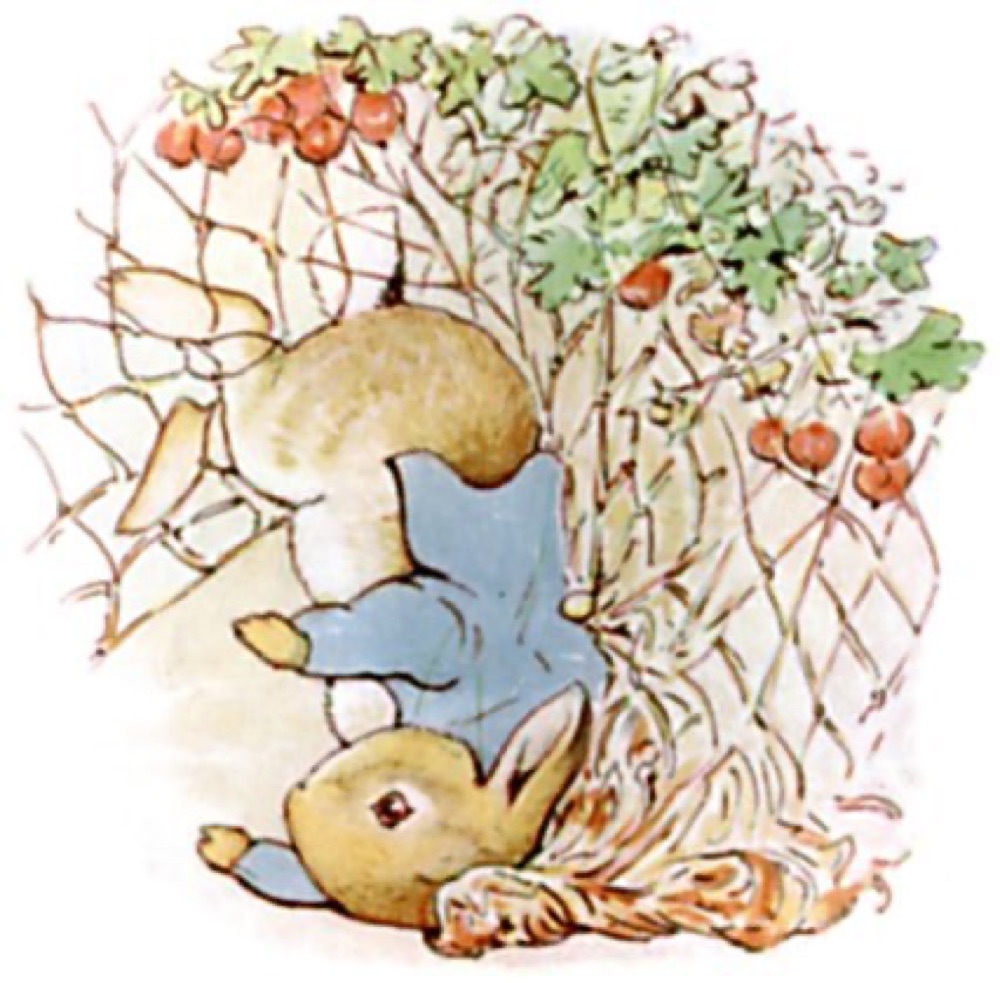
彼得想:“完了!”他大哭起来。几只小鸟听见了,马上飞过来,对他说:“加油!加油!”
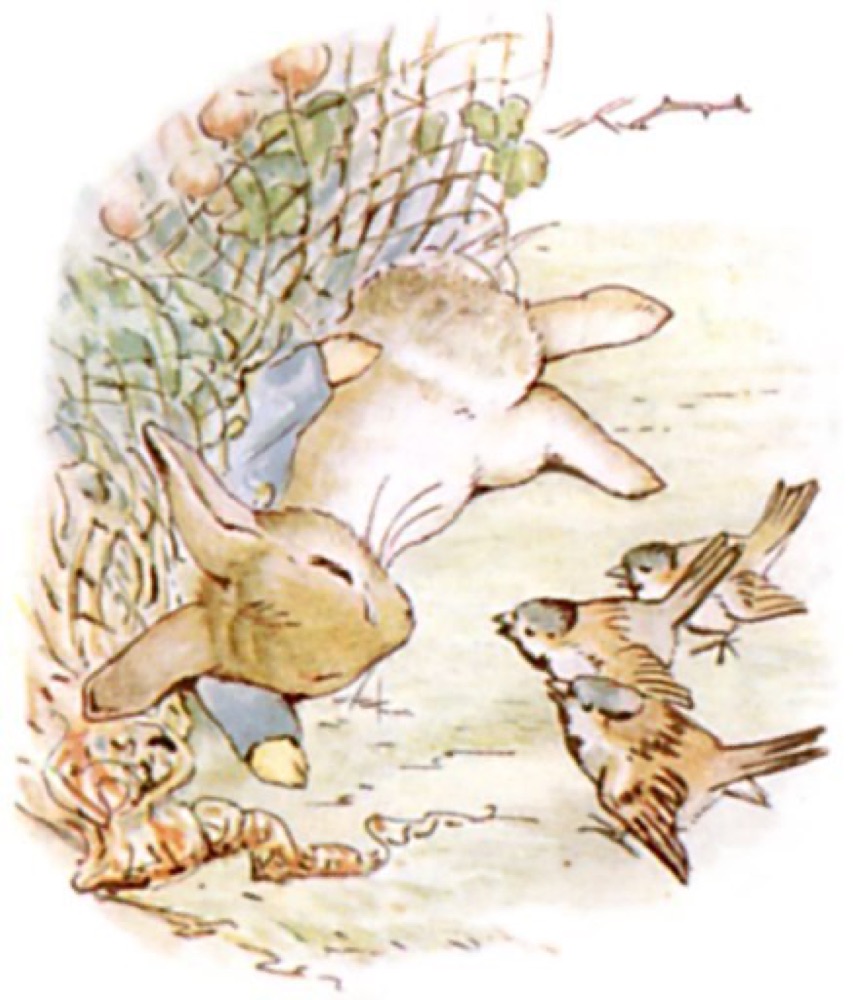
麦先生拿着一个筛子走过来,想把筛子放在彼得身上。可是彼得动了几下,从衣服里钻出来,跑了!他的新衣服留在了网上。
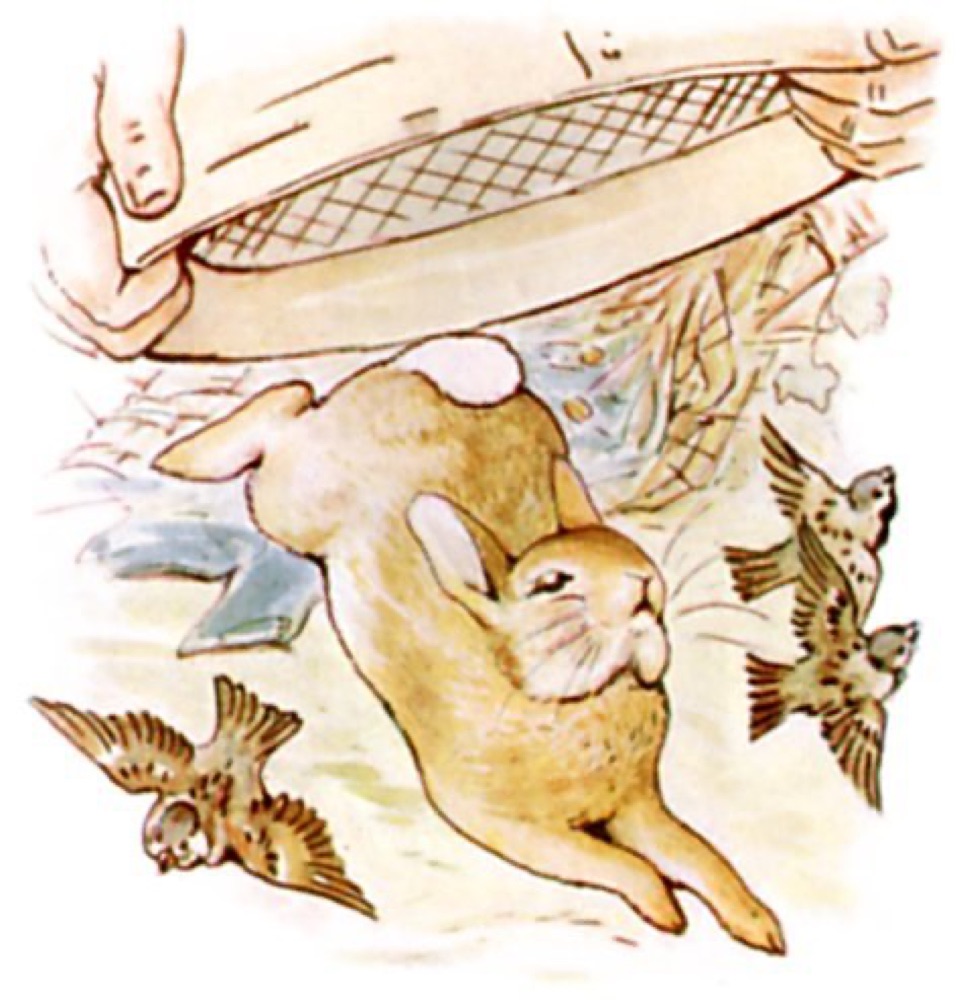
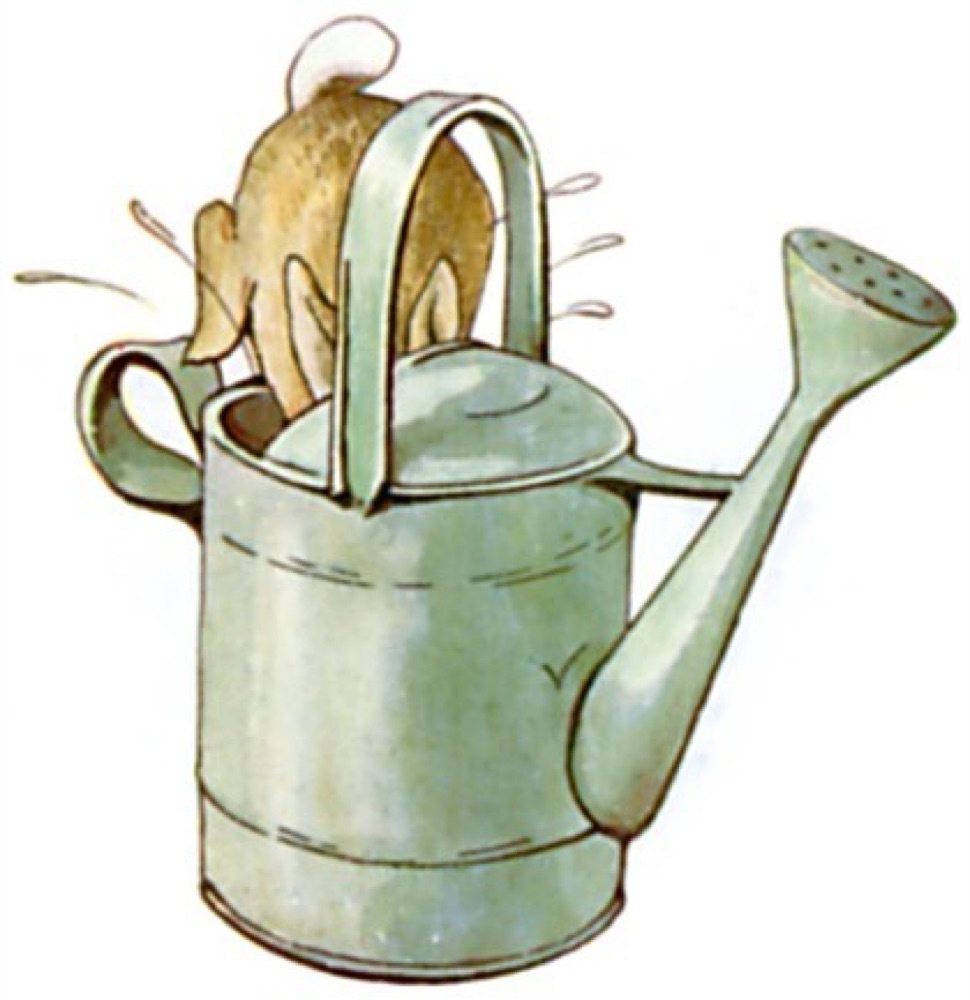
他跑进麦先生放东西的小房子,跳进了一个大水壶里。如果水壶里没有水,这是一个很好的地方……可是,里面有很多水!
麦先生知道彼得一定在小房子里,可能在哪个花盆下面。他把花盆一个一个地拿起来,看看下面有没有彼得。
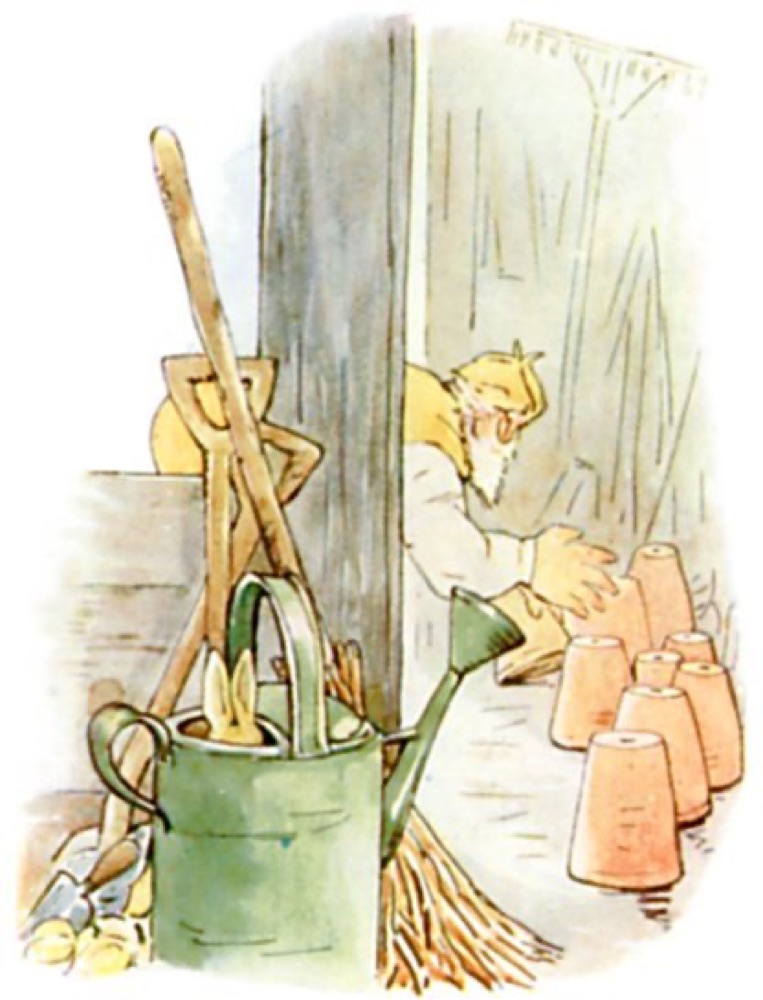
突然,彼得打了一个喷嚏:“阿嚏!”麦先生马上追了过来。

(未完待续)
初级故事集

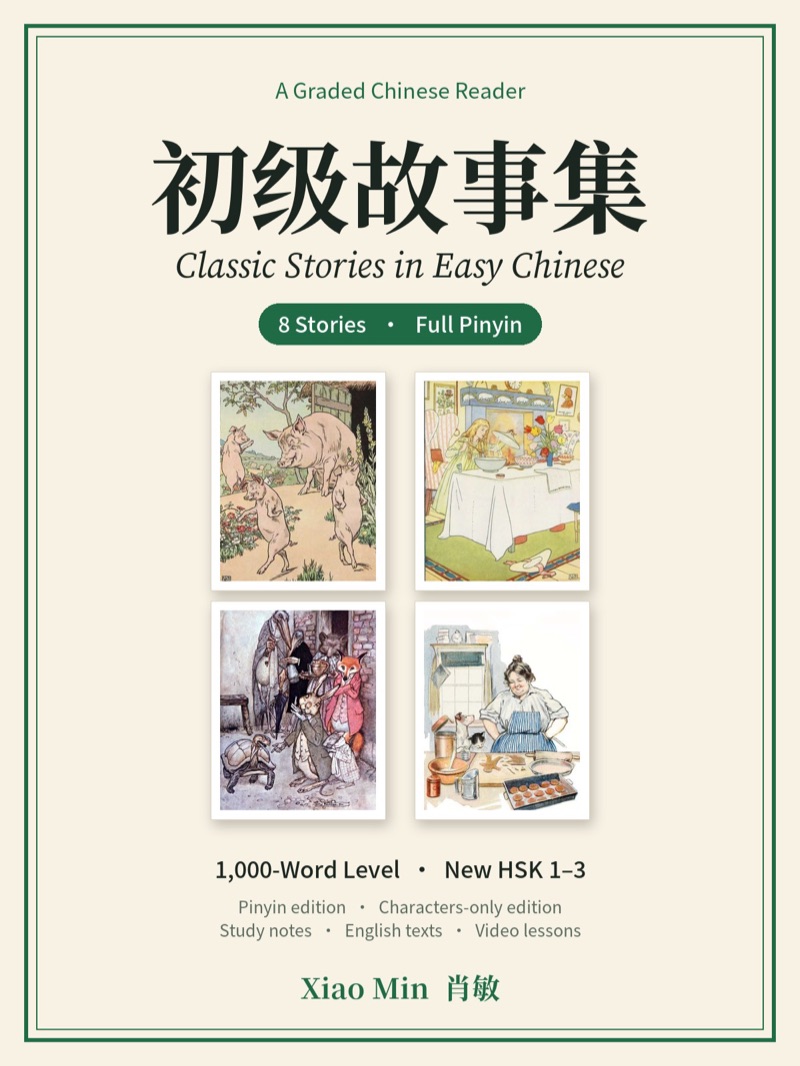
Keep reading: Classic Stories in Easy Chinese

All eight stories with pinyin and without, the study notes, the stories in English and Min reading them aloud as the videos come out. $12, yours to keep.

See what’s in the book

Talk about this story with Min

Reading is the easy part. In a one-to-one lesson you retell the story in your own words, and Min helps you say what you couldn’t.

The Tale of Peter Rabbit by Beatrix Potter (1902), with her own illustrations; both in the public domain. Chinese retelling and study notes by Min.